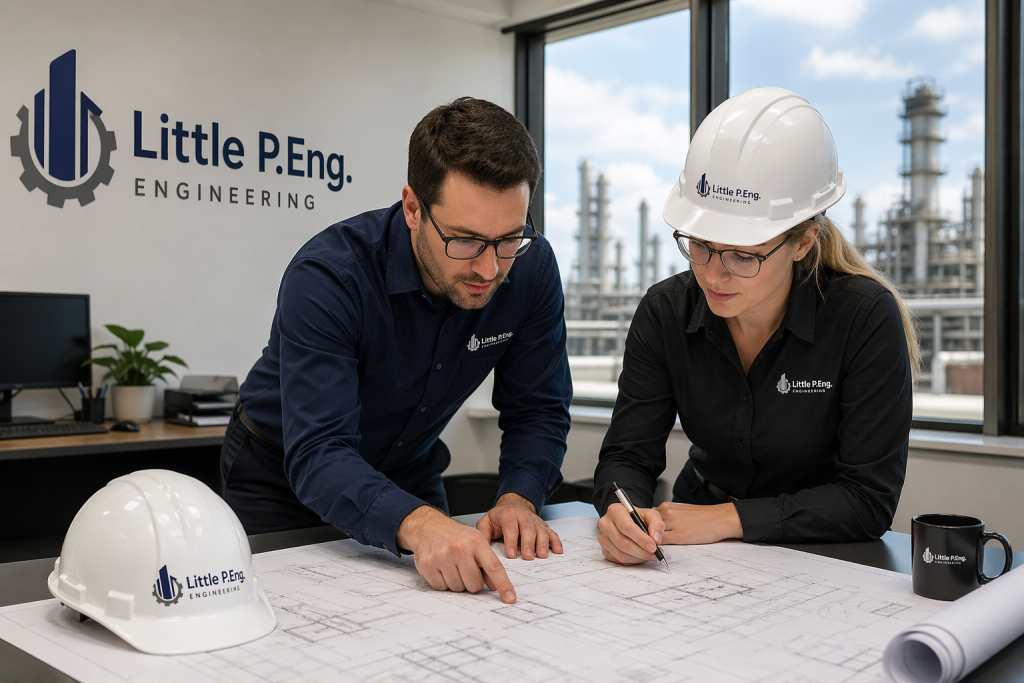
## How Piping Pressure Analysis Ensures Safety, Reliability, and Efficiency in Industrial Style
Piping systems form the backbone of many production facilities, carrying fluids and gases of which are necessary for businesses in sectors this sort of as oil and even gas, power generation, petrochemicals, and developing. These systems generally operate under intense conditions involving high pressure, elevated temperature ranges, and dynamic tons. Within this sophisticated environment, piping stress and anxiety analysis becomes a crucial engineering self-discipline that ensures devices remain safe, reliable, and efficient all through their operational living.
At its key, piping stress analysis is the process of evaluating exactly how piping systems reply to various forces and conditions. These types of forces may include internal pressure, heat expansion, weight associated with the pipe in addition to contents, seismic action, and mechanical vibrations. Engineers employ this research to determine whether a piping system can withstand these tensions without failure or perhaps excessive deformation.
One of many reasons piping pressure analysis is essential is safety. Seismic Design & Seismic Bracing transport hazardous substances like chemicals, heavy steam, or hydrocarbons. Any kind of failure in these kinds of systems can cause leaks, explosions, or environmental damage. By carefully analyzing stress degrees, engineers can determine weak points in addition to design solutions that prevent catastrophic disappointments.
Thermal expansion is probably the most significant factors considered in broiling stress analysis. Any time pipes carry sizzling fluids, they broaden due to temperature changes. Issue expansion is usually not properly paid for for, it might cause bending, misalignment, or excessive tension on connected tools. Engineers use enlargement loops, flexible facilitates, and proper direction-finding ways to manage these thermal effects efficiently.
Another aspect regarding piping stress examination is the assessment of pressure-induced tension. Internal pressure applies force on typically the pipe walls, which can result in ring stress and longitudinal stress. If these stresses exceed allowable limits, the water line may rupture or deform. Accurate computations ensure that tube thickness, material choice, and design models fit the functioning conditions.
The bodyweight of the steaming system itself, such as fluid it bears, also contributes in order to stress. Gravity will cause sagging and folding, particularly in long horizontally runs. Proper assist placement is crucial to distribute pounds evenly preventing excessive deflection. Engineers meticulously design support devices such as hangers, anchors, and courses to maintain structural stability.
Dynamic makes also play some sort of significant role inside of piping stress evaluation. These forces can arise from equipment vibration, fluid hammer effects, wind a lot, or seismic action. In regions susceptible to earthquakes, seismic analysis becomes particularly important. Engineers replicate these conditions to make certain the piping method can absorb and even withstand sudden moves without failure.
Modern day piping stress analysis relies heavily in advanced software tools. These types of programs allow engineers to create in depth 3D models of piping systems and even simulate real-world operating conditions. By working with computational methods, they will can predict stress distribution, displacement, in addition to potential failure factors with high precision. This reduces typically the need for actual testing and increases the design procedure.
Material selection is certainly another main factor inspired by piping stress analysis. Different materials respond differently to stress, temperature, and even corrosion. For instance, stainless steel may always be chosen for the durability and corrosion resistance, while carbon steel may be utilized due to its cost-effectiveness and even durability. The examination helps engineers choose the most correct material for each and every specific application.
Within addition to basic safety and material assortment, piping stress analysis also contributes in order to cost efficiency. Simply by optimizing the design of transfering systems, engineers could reduce unnecessary stuff usage, minimize maintenance requirements, and extend the lifespan of equipment. This leads to be able to significant financial savings above the lifetime of an industrial center.
Corporate compliance is another crucial reasons why piping stress and anxiety analysis is necessary. Industries must adhere to strict requirements and standards for example ASME B31. 3, ASME B31. 1, and other international guidelines. These models define acceptable pressure limits, design requirements, and safety factors. Proper analysis assures that piping methods meet these regulatory requirements and go inspection.
The position of piping strain analysis becomes still more critical in complex industrial surroundings such as refineries and power vegetation. These facilities contain extensive networks regarding piping systems that will connect to multiple items of equipment. Any kind of failure in one section can have a cascading influence on the entire procedure. Stress analysis allows engineers understand these types of interactions and design and style systems that work harmoniously.
Flexibility research is a major aspect of piping anxiety evaluation. Engineers assess whether the steaming layout can support movement caused by thermal expansion or perhaps external forces. When a system is too rigorous, it may experience extreme stress at repaired points. Introducing versatility through bends, loops, or expansion bones helps distribute tension more evenly.
Support design is closely connected to piping pressure analysis. Properly created supports ensure that will pipes remain in spot while allowing manipulated movement where mandatory. Engineers must stability rigidity and flexibility to achieve optimal overall performance. Incorrect support placement can lead in order to stress concentration and even eventual failure.
One more important consideration is usually fatigue analysis. Piping systems that experience repeated loading and unloading cycles might develop fatigue fractures after some time. Stress evaluation helps identify areas where cyclic launching could cause long lasting damage. By responding to these issues earlier, engineers can avoid unexpected failures plus extend system lifestyle.
The integration of pipes stress analysis into the overall executive design process guarantees better coordination between different disciplines. Mechanical, structural, and course of action engineers communicate to be able to create systems which are not only functional but in addition safe and effective. This multidisciplinary technique improves overall job quality and decreases the likelihood associated with design conflicts.
As industries continue to evolve, the importance associated with piping stress analysis is expected to be able to grow. New technologies, higher operating demands, and more requiring environmental conditions require even more precise engineering solutions. Advances in simulation resources and computational force are responsible for it achievable to accomplish more in depth and accurate explanations than ever before.
To summarize, piping stress analysis is a fundamental facet of modern engineering that assures the safety, dependability, and efficiency of industrial piping systems. By simply evaluating how water lines respond to numerous stresses, engineers can design systems that withstand complex working conditions while sustaining structural integrity. The role in complete safety, cost optimization, corporate compliance, and system longevity can make it an essential section of industrial style and development.